Product grouping
Organize small items by merchandise type, collection and display method.
Accessory fixtures bring small products into wall bays, islands, tables and checkout areas. The records include ladies’ accessory units, small-item fixtures, trays, hooks and dedicated handbag or footwear units.
Plan This Collection →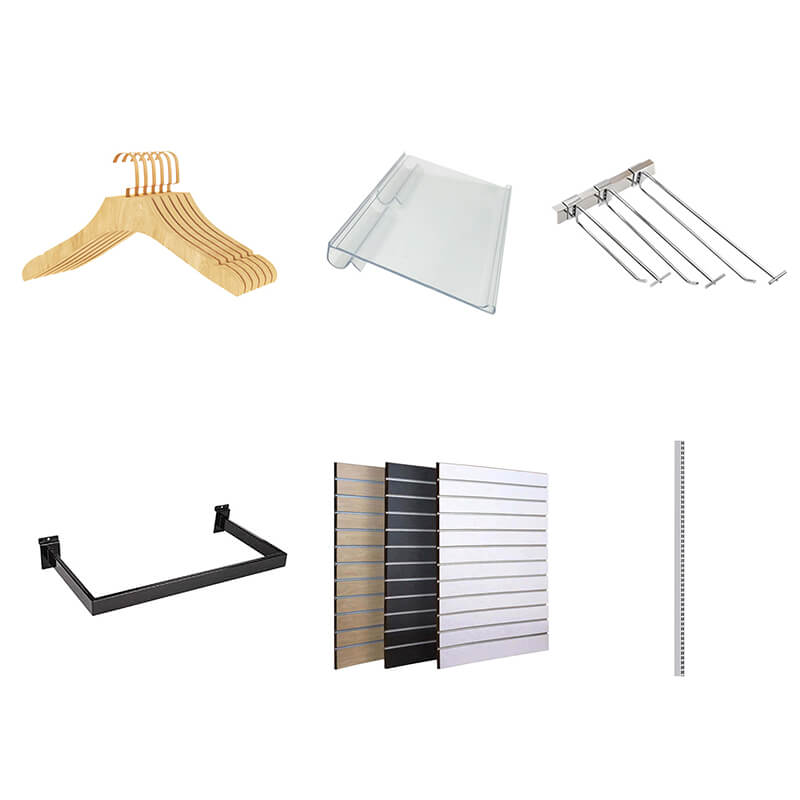
Organize small items by merchandise type, collection and display method.
Compare hooks, rails, trays, shelves and cabinet configurations around actual product samples.
Coordinate accessories with complete outfits and the customer route through the store.
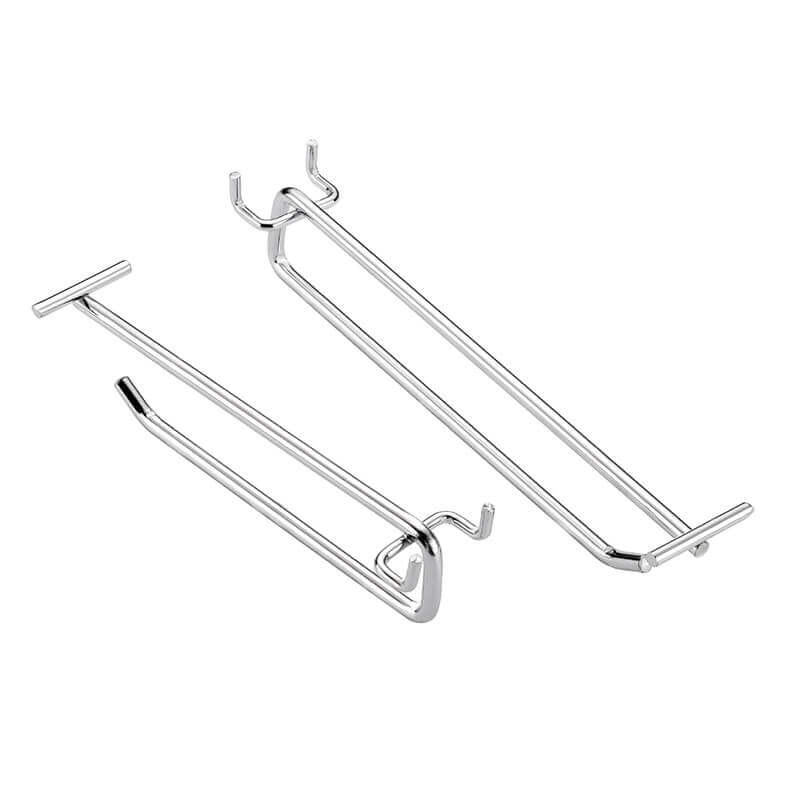
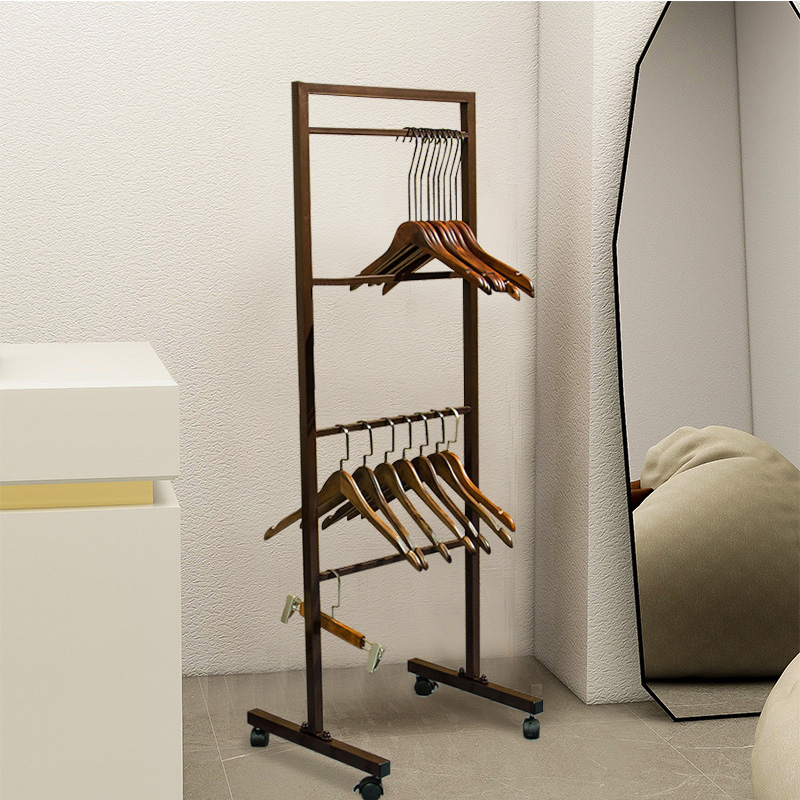
Coordinate your fixtures across the entire retail space.
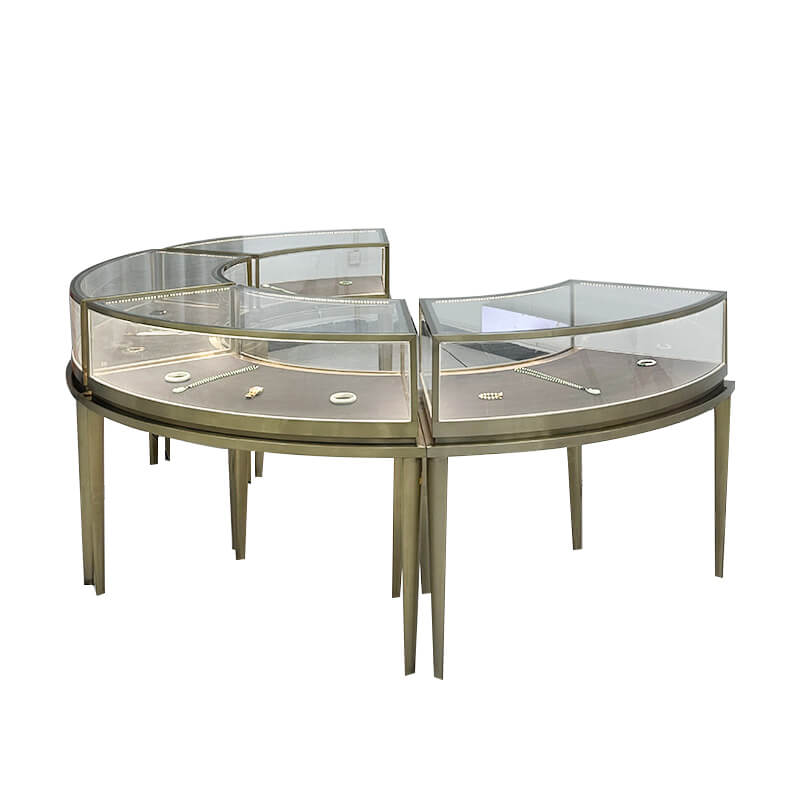
Accessory units in the project records combine metal rails and hooks, panel cabinetry, shelves, trays, glass and selected lighting. Choose the contact surface and display spacing around representative merchandise.
Final dimensions, finish, load requirements and fixing details are agreed for your project. Historical project specifications are examples, not a universal product standard.
Explore materials & finishes →Explore documented layouts and fixture details. These studies describe project requirements; product inspiration photos above are not presented as photographs of these projects.
Single- and multi-bay metal and wooden wall units, with hanging and shelf configurations.
View project study ↗VenezuelaFront-facing and side-hanging rails, wall-mounted perimeter components and mobile garment racks.
View project study ↗Saudi ArabiaPerimeter bays support apparel, handbags and other accessory departments through different shelf and back-panel arrangements.
View project study ↗Product grouping: Organize small items by merchandise type, collection and display method. Fixture format: Compare hooks, rails, trays, shelves and cabinet configurations around actual product samples. Cross-merchandising: Coordinate accessories with complete outfits and the customer route through the store.
Accessory units in the project records combine metal rails and hooks, panel cabinetry, shelves, trays, glass and selected lighting. Choose the contact surface and display spacing around representative merchandise. Provide brand color references and approve physical samples before production.
Provide the drawing or reference, overall dimensions, quantity, intended merchandise and loading, finish requirements, destination and installation conditions. Unspecified details are reviewed before a firm quotation.
Share your floor plan, fixture needs and design direction.